
Need Help?
+1 714-548-0665
🌴 Bali or Gili? Compare Two Island Paradises for Your Dream Getaway
Indonesia — an archipelago of a thousand islands — remains a dream destination for many travelers. Among the most popular sea-island getaways here are Bali and the Gili Islands. Both are enchanting in their own right, yet offer very different experiences. So which should you choose for your next adventure?
1. Overview: Bali vs. the Gili Islands
🌅 Bali – The Island of the Gods
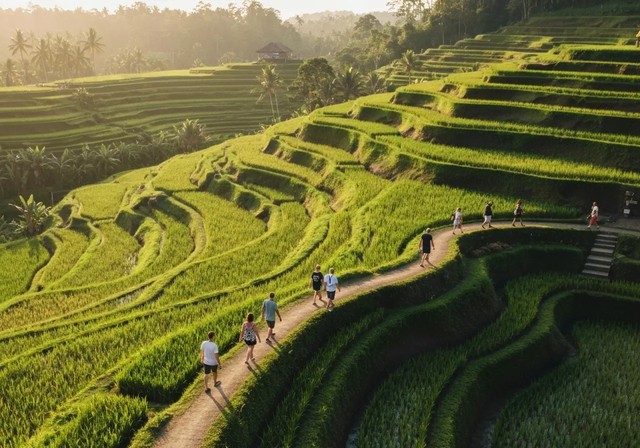
Bali, often referred to as “The Island of the Gods”, ranks among the world’s most beloved tourist destinations. The island charms visitors with its rich spiritual culture, breathtaking nature and lively nightlife. From ancient cliff-side temples like Tanah Lot and Uluwatu to the lush terraced rice fields of Jatiluwih and Tegalalang — Bali paints a vivid, multi-colored canvas.
Bali’s culture stands out with traditional dance, melodic Gamelan music and intricate batik art. In Ubud — the cultural heart of Bali — travelers can join yoga or spa sessions, explore local art galleries, or dive into energetic water sports on beaches like Kuta and Seminyak.
🏝 Gili Islands – A Car-Free Island Paradise
Located off the coast of Lombok, the Gili Islands consist of three small islands: Gili Trawangan, Gili Meno, and Gili Air. What makes Gili special is its absence of motorized vehicles — islands are traversed by horse-drawn carriages (cidomo) or bicycles, creating a peaceful, clean, and uniquely serene atmosphere.
Each island has its distinct character:
Gili Trawangan: The largest and liveliest, famous for beach parties, restaurants, diving and snorkeling — ideal for social travelers and adventure seekers.
Gili Meno: The smallest and quietest — perfect for couples seeking romance, tranquility, and secluded beaches with clear water and coral reefs.
Gili Air: A balance between Trawangan’s vibrancy and Meno’s calm — a great pick for families or travelers looking for a relaxed but lively island vibe.
The Gili Islands are renowned for crystal-clear sea water, vibrant coral reefs, and abundant marine life — making them a paradise for diving, snorkeling, and underwater lovers.
2. Bali vs. Gili — Which Should You Choose?
🌤 A. Climate & Best Visiting Time
Indonesia has two main seasons: the dry season and the rainy season. The ideal time to visit both Bali and the Gili Islands is during the dry season (May–September). As of late 2025, October marks the transition to the rainy season — though light tropical showers typically occur in the afternoon, making travel still quite feasible. For trips planned in 2026, the dry season remains the best bet.
Dry Season (May – September): Sunny weather, low humidity, ideal for outdoor activities, swimming, diving, hiking. Peak tourist season.
Shoulder Season (April & October): Less crowded, more affordable prices, and still generally pleasant weather.
Rainy Season (October – April): More rain, especially between December and February, though showers tend to be short-lived and rarely disrupt travel plans.
🎯 B. Activities & Experiences
Bali: Offers a diverse array of experiences — cultural, spiritual, adventurous and relaxing. From exploring ancient temples, joining yoga or spa retreats, surfing or hiking volcanoes like Batur, to enjoying vibrant nightlife — Bali suits families, couples, adventure seekers, and party-goers alike.
Gili Islands: Centered around water-based and laid-back activities — snorkeling, diving, beach relaxation, sea-view sunsets, gentle island bicycle rides. Gili Trawangan brings nightlife and social vibes, while Gili Meno and Gili Air offer tranquility and charm.
🍲 C. Cuisine & Dining
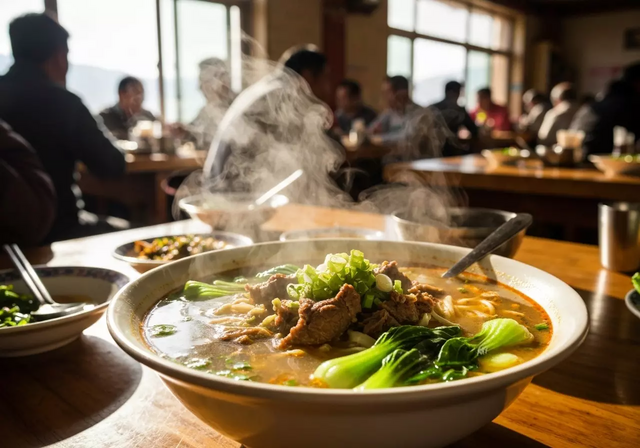
Bali: A rich mix of traditional dishes like babi guling (suckling pig roast), sate lilit (lemongrass satay), nasi campur (mixed rice), plus a wide range of international restaurants and modern cafés — perfect for all tastes and budgets.
Gili Islands: Mostly local seafood and Indonesian food at small “warung” eateries. While dining options may be less varied than Bali, the atmosphere and local flavors make for an authentic island experience.
💸 D. Cost & Budget
Bali: Cost of travel is flexible — you can find budget-friendly homestays to luxury 5-star resorts. A mid-range daily budget is around 1,600,000 – 4,800,000 VND.
Gili Islands: Generally slightly more affordable than Bali, especially for accommodation and local food. However, diving trips or boat tours may increase your expenses.
✅ Tips for Vietnamese Travelers Visiting Indonesia
Documents & Visa: Vietnamese citizens are visa-exempt when entering Indonesia for tourism, for a stay of up to 30 days. Ensure your passport is valid for at least 6 months from entry date.
e-Customs Declaration: Since 2023, Indonesia requires an electronic customs declaration (e-CD) prior to arrival — you can complete it online or at the airport.
Currency: The local currency is Indonesian Rupiah (IDR); exchange at reputable places or withdraw from ATMs.
Travel Insurance: Strongly recommended to cover emergencies, especially if you plan diving or water-based activities.
Cultural Respect: Indonesia is culturally diverse and often conservative — when visiting temples or religious sites, dress modestly (shoulders and knees covered). Use right hand when handing/receiving items; avoid pointing with index finger.
✨ Conclusion – Bali vs. Gili: Which Paradise Fits You Best?
Both Bali and the Gili Islands offer unforgettable island experiences — but each caters to a different kind of traveler.
Choose Bali if you seek a diverse vacation with cultural richness, vibrant nightlife, spiritual experiences, and a blend of adventure and relaxation.
Choose the Gili Islands if your ideal getaway involves pristine waters, laid-back island life, underwater adventures, and peaceful beachside serenity.
Either way, Indonesia promises memories that last — and breathtaking scenery that stays with you long after you leave.

Brief related visa





VietCali – Support for Travel and Study Abroad in the United States
☎ Hotline: 090 678 3882 / +1 (714) 548 0665
📌 Vietnam: 357/11/14 CMT8, Ward 12, District 10, Ho Chi Minh City, Vietnam
📌 USA: 530 E Hunt Hwy, San Tan Valley, AZ 85143, USA